

LASIK surgery in Sydney may cost approximately 2,600–3,950 per eye, based on advertised pricing examples. Whether surgery saves you money over 10 years depends on your current eyewear expenses, additional surgical costs and whether you still need corrective eyewear afterwards.
LASIK (Laser-Assisted In Situ Keratomileusis) is a surgical procedure that reshapes the cornea to correct vision problems such as short-sightedness, long-sightedness and astigmatism. While it can reduce dependence on prescription glasses and contact lenses, its substantial upfront cost makes it important to evaluate both its immediate affordability and long-term financial value.
However, many Sydney residents underestimate the long-term cost of laser eye surgery because they assume their spending on glasses and contact lenses will disappear completely. But in reality, future prescription changes, reading glasses and ongoing eye examinations can affect those savings.
Getting a deeper insight into the LASIK laser eye surgery cost means looking beyond the initial procedure. This guide explains seven practical checks, realistic cost comparisons and the factors that can help you decide whether surgery is financially and clinically appropriate for your needs.
How Much Does LASIK Laser Eye Surgery Cost in Sydney?
LASIK reshapes the cornea to correct certain refractive errors, potentially reducing your reliance on glasses or contact lenses. However, prices vary according to the surgical technique, technology, individual prescription and treatment inclusions.
Examples of advertised Sydney prices include:
| LASIK pricing example | Per eye | Both eyes |
| Standard LASIK | $2,600 | $5,200 |
| LASIK treatment | $3,488 | $6,976 |
| LASIK treatment with specified aftercare | $3,950 | $7,900 |
Source: Sydney Laser and Vision Centre, Eagle Eye Surgeons and Envision Eye Centre. Pricing checked November 2026. These examples are not a market-wide average or a personalised quote.
Importantly, LASIK, PRK and SMILE are different procedures. Comparing their prices without considering clinical suitability and treatment inclusions can produce a misleading picture of value.
7 Checks to Make Before Paying for LASIK Laser Eye Surgery
Before committing to surgery, work through these seven checks to understand your immediate expenses, potential long-term savings and ongoing vision requirements.
1. Check Your Complete Upfront Surgery Cost
Calculate the total amount payable for both eyes, including assessments, treatment, medication and any separately charged follow-up appointments.
An attractive advertised price may not represent everything you need to budget for. Furthermore, different surgical providers offer different aftercare arrangements, making headline prices difficult to compare directly.
So, make sure you ask for a written quote covering:
- Initial specialist consultations and diagnostic scans.
- Treatment fees for each eye.
- Prescribed medication and postoperative eye drops.
- Follow-up appointments and their duration.
- Policies covering additional treatment or enhancements.
- Financing fees and interest, where applicable.
You should also consider transport and any unpaid time away from work during recovery.
If the inclusions are unclear, request an itemised explanation before paying a deposit. A cheaper procedure is not necessarily better value when essential services are excluded.
2. Check What You Currently Spend on Vision Correction
Calculate your average annual spending on glasses, contact lenses and associated eye care before estimating potential savings from LASIK.
- Start by reviewing your optical purchases over the past two or three years. This provides a more representative financial picture than relying on your most recent glasses purchase alone.
- Include expenses such as replacement lenses, prescription sunglasses, contact lens supplies, cleaning solutions, repairs and examination fees you pay yourself.
For instance, someone who replaces their glasses every three years may spend considerably less than a person purchasing daily disposable contact lenses throughout the year.
- If you are exploring contact lenses in Drummoyne, discuss how different lens types and wearing schedules could influence your ongoing expenses.
Also, if your current spending is already modest, the financial benefits of surgery may take considerably longer to materialise.
3. Check Which Expenses Might Continue After LASIK
Allow for future eye examinations, reading glasses and other corrective eyewear because LASIK does not eliminate every possible vision-related expense.
One common misunderstanding is that successful laser surgery prevents all future prescription changes. In reality, your eyes continue to change as you get older.
Reading glasses and future prescription changes
Presbyopia is an age-related change affecting your ability to focus on close objects. Since conventional LASIK reshapes the cornea rather than stopping changes within the eye’s natural lens, you may still need reading glasses later in life.
Some patients may also require additional vision correction for particular activities or changing prescriptions.
Ongoing eye examinations and aftercare
Even if your distance vision improves following surgery, regular eye health assessments remain important. Laser vision correction does not prevent conditions such as glaucoma, cataracts or macular degeneration.
Understanding what happens during an eye check in Sydney can help you plan for your ongoing eye care requirements.
If your financial comparison assumes zero optical expenditure after surgery, revise it to include a reasonable allowance for future costs.
4. Calculate Your Real 10-Year Cost and Break-Even Point
Compare your upfront surgery cost plus continuing optical expenses against the total amount you would otherwise spend on glasses and contact lenses.
A useful financial comparison should measure actual potential savings rather than assuming all existing expenses disappear.
Use these three calculations:
Without LASIK: Annual optical spending × 10 years.
With LASIK: Net upfront surgery cost + 10 years of continuing optical expenses.
Break-even period: Net upfront surgery cost ÷ annual optical savings.
Annual optical savings are your current yearly expenses minus the amount you expect to continue spending after surgery.

Worked examples for three spending profiles
Assume both-eye surgery costs $6,500 and continuing optical expenses average $150 annually.
| Cost comparison | Lower spending | Moderate spending | Higher spending |
| Current annual expenses | $400 | $800 | $1,200 |
| 10 years without surgery | $4,000 | $8,000 | $12,000 |
| 10 years with surgery | $8,000 | $8,000 | $8,000 |
| Financial difference | $4,000 more | Equal | $4,000 less |
| Estimated break-even | 26 years | 10 years | 6.2 years |
These are hypothetical examples, not actual patient outcomes or confirmed optical product prices.
The results demonstrate why LASIK is not automatically the most economical choice. Someone with relatively low optical expenses may need more than two decades to recover the initial investment, whereas a higher-spending contact lens wearer could reach financial break-even much earlier.
This simplified comparison excludes inflation, unexpected treatment, changes in vision and financing costs.
So, if your calculations show limited savings, consider whether the potential convenience benefits justify the additional expense. Remember that financial break-even does not establish whether surgery is clinically appropriate.
5. Check Your Medicare and Private Health Insurance Benefits
Confirm your actual insurance entitlement before deducting any rebates from your LASIK budget.
Medicare generally does not cover elective LASIK undertaken to correct refractive errors. However, some separately billed consultations may qualify for a Medicare benefit, depending on eligibility.
Selected private health insurance policies may contribute towards laser eye surgery, subject to waiting periods, treatment eligibility and benefit limits.
Before relying on insurance, ask your fund:
- Is LASIK specifically included in my policy?
- Have I completed the required waiting period?
- What is my available benefit?
- Do I need to use an approved surgical provider?
According to Services Australia, eligible optometry eye tests may receive Medicare benefits, but glasses and contact lenses are not covered.
If you are considering upgrading your insurance solely for surgery, factor the additional premiums into your calculations. Otherwise, the apparent savings may be smaller than expected.
6. Compare Non-Surgical Options for Your Lifestyle
Consider whether professionally fitted contact lenses or specialised prescription eyewear could meet your everyday needs without the upfront expense of surgery.
For some patients, adjusting their current vision correction may improve convenience sufficiently without requiring a surgical procedure.
This is particularly relevant for adults considering LASIK because their everyday glasses interfere with exercise or recreational activities.
Contact lenses for sport
Appropriately fitted contact lenses for sport can provide a wider unobstructed field of view than some spectacle frames and reduce dependence on everyday glasses during physical activity.
Nevertheless, contact lenses require appropriate hygiene, fitting and ongoing assessment. They should not be worn while swimming or exposed to water.
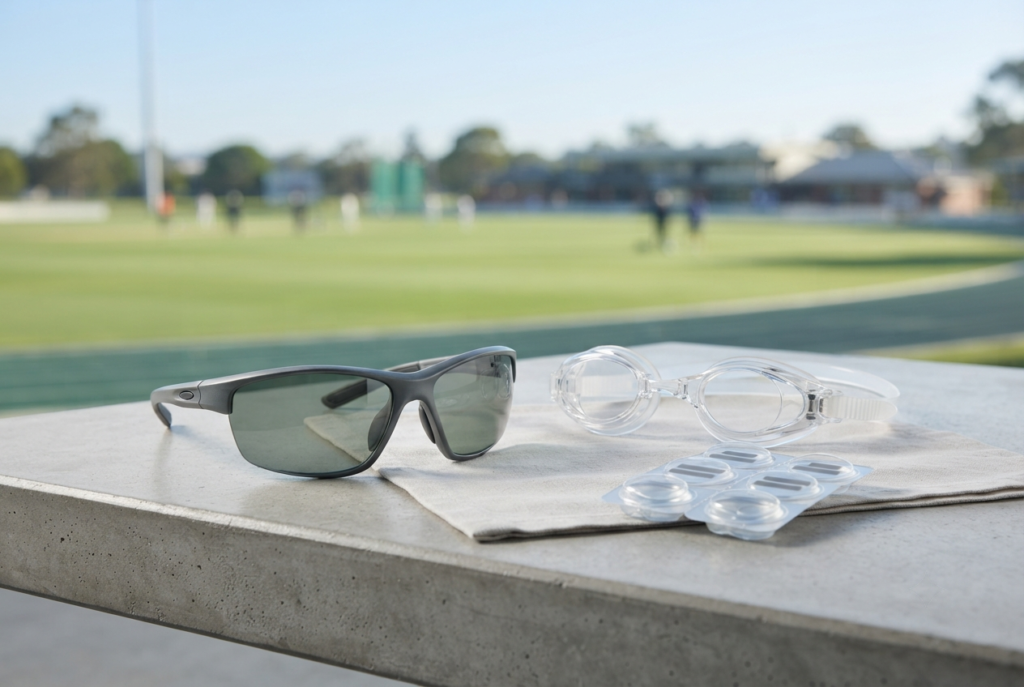
Prescription sports glasses and prescription sports goggles
Activity-specific eyewear may offer a practical solution for people who need vision correction and eye protection during sport.
For example, prescription swimming goggles can provide vision correction without wearing contact lenses in the pool.
In a nutshell, a professional sports vision assessment can help you evaluate appropriate options. However, if a particular activity is your main motivation for surgery, compare suitable non-surgical alternatives before making a financial commitment.
7. Check Your Surgical Suitability Before Committing
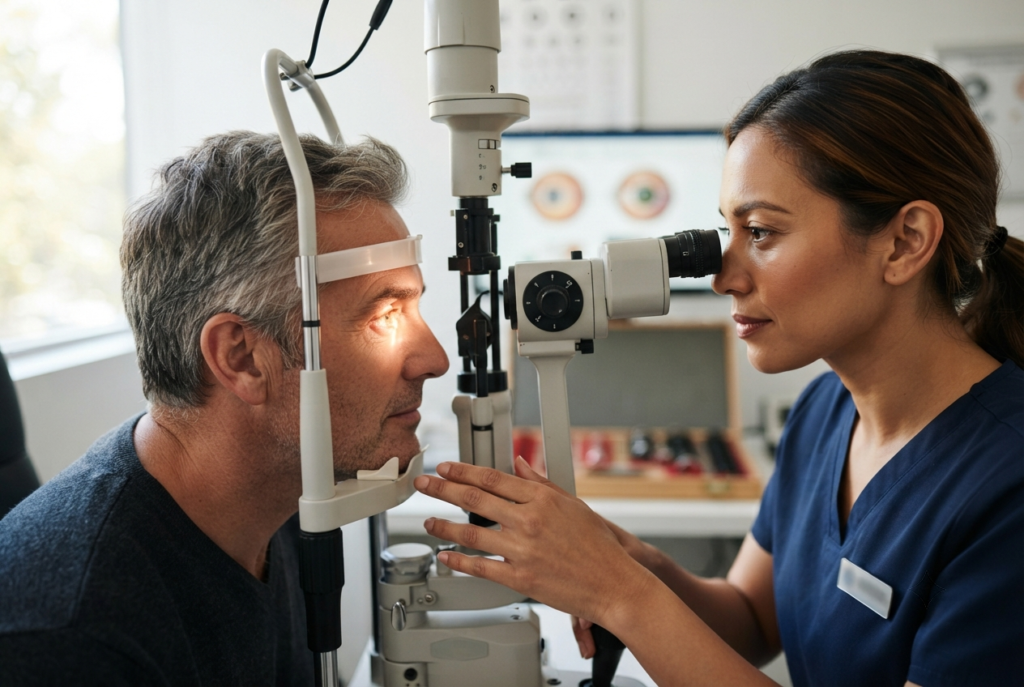
Arrange a professional eye examination and specialist assessment to establish whether LASIK is an appropriate option for your eyes.
Your prescription, corneal health, medical history and eye surface condition can influence surgical suitability. Moreover, possible complications include dry eye, visual disturbances, infection and the need for further correction.
An optometrist can help identify concerns requiring additional assessment, while a refractive surgeon determines your final suitability.
| Your circumstances | Recommended next consideration |
| Prescription continues to change | Discuss prescription stability before pursuing surgery |
| Existing dry eye symptoms | Arrange an eye health assessment |
| Concerns about corneal health | Seek specialist investigation |
| Increasing difficulty reading | Discuss age-related vision changes |
| Uncertain about treatment options | Compare surgical and non-surgical correction |
| Already received a surgical quote | Review its inclusions and follow-up arrangements |
Booking an eye exam in Drummoyne can provide a useful starting point for discussing your prescription and overall eye health.
However, if suitability remains uncertain, avoid making a decision based purely on a favourable price or projected financial savings.
How Can Your Local Optometrist Help Before and After LASIK?
Speaking with an experienced optometrist in Sydney can help you understand your current vision requirements and determine which correction options are worth investigating.
An optometrist can provide an eye test, discuss prescription changes, explain non-surgical alternatives and refer you to an appropriate specialist where necessary.
Furthermore, pre- and post-LASIK advice and assessment can support your ongoing eye care alongside your surgeon’s treatment plan.
For patients visiting an optometrist in Drummoyne, the objective should be to understand the available options rather than feeling pressured towards a particular procedure.
Frequently Asked Questions
Make an Informed Decision About Your Vision
The true LASIK laser eye surgery cost extends beyond the initial quote. By considering your current optical spending, possible future expenses and clinical suitability, you can make a more realistic comparison of your options.
Whether you continue wearing glasses, explore contact lenses or pursue specialist surgical assessment, your choice should support your individual vision needs and long-term eye health.
If you are considering laser vision correction, book an appointment with a professional optometrist to discuss your prescription, eye health and available options before making a decision.